Why Empower a Billion Lives? [Empower a Billion Lives]
On occasion, I like to return to first principles to remind myself—and all of you readers—why Empower a Billion Lives (EBL) was created in the first place and why this


On occasion, I like to return to first principles to remind myself—and all of you readers—why Empower a Billion Lives (EBL) was created in the first place and why this
The field of Power Electronics is moving faster than ever. Driven by the global push for sustainable energy, electric mobility, and smarter grids, the demand for cutting-edge research has skyrocketed.
Cultivating networking opportunities and distributing professional assets to students and early-career professionals is a central pillar of the IEEE Power Electronics Society (PELS) Young Professionals (YP) Committee. The YP receptions
It has long been the opinion of this columnist that power electronics (PE) and energy storage (ES) are not just complementary, but should always be thought of as two peas
From NVIDIA’s 800 V vision for the future, to Vertiv’s Director of Engineering Brian Heber’s Plenary talk “HVDC Distribution For Future AI Data Centers” [1], to the unending news reports
Energy efficiency is no longer a secondary design consideration; it is a primary driver of innovation across the power electronics industry. From AI data centers to electric mobility and industrial
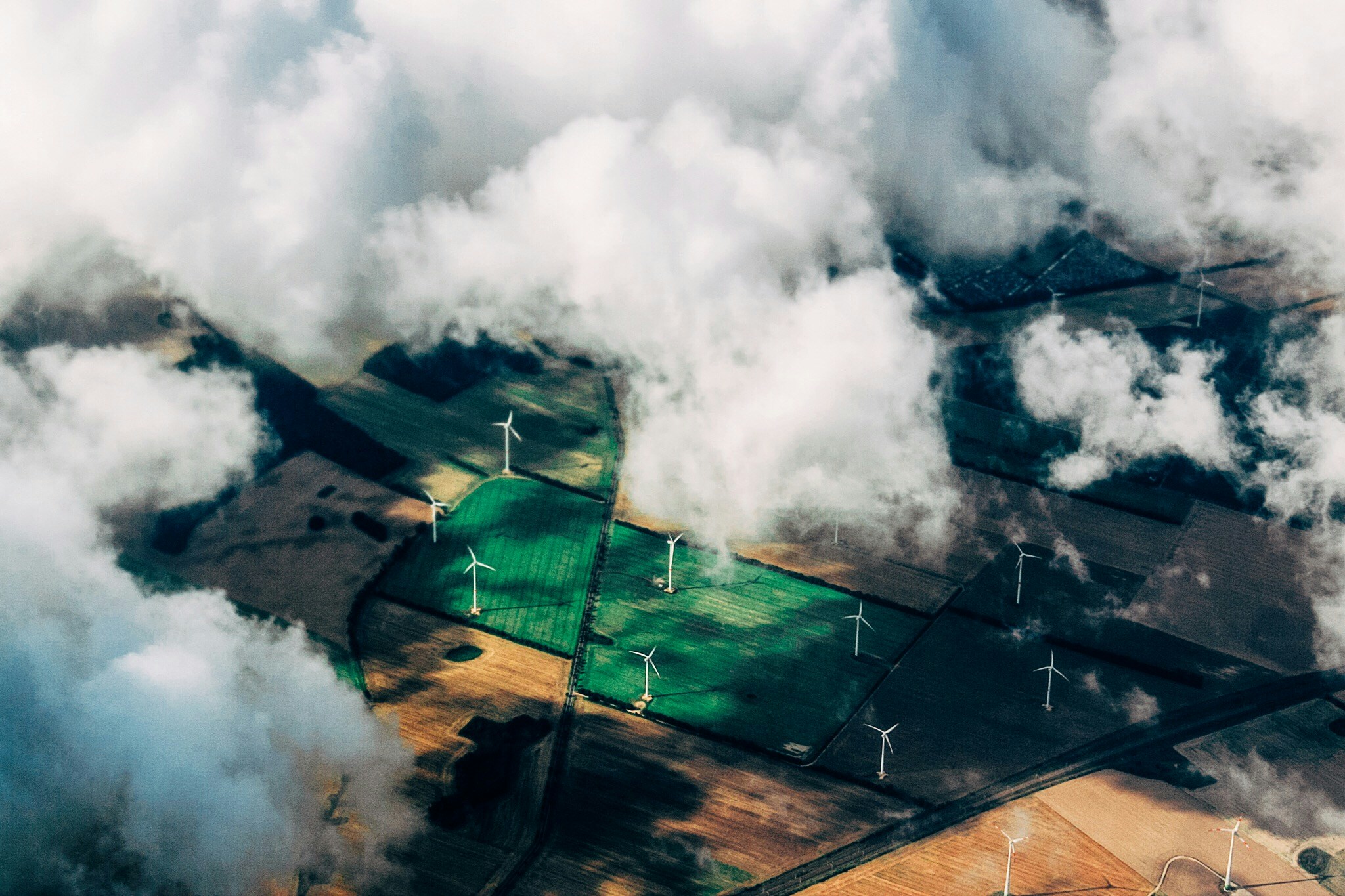
In the global north, globalization of science and accelerating growth of exponential technologies (nano-scale materials, VLSI, AI, and additive manufacturing) are changing every aspect of societybut access to energy is

You wake up with a new idea. Your technical background assures you that it can—and should—become a business. With proper due diligence, you convince yourself to take the entrepreneur’s leap.
The rapid evolution of artificial intelligence (AI) workloads has fundamentally transformed the landscape of data center power infrastructure [1], [2]. Contemporary AI training clusters for Large Language Models (LLMs), such
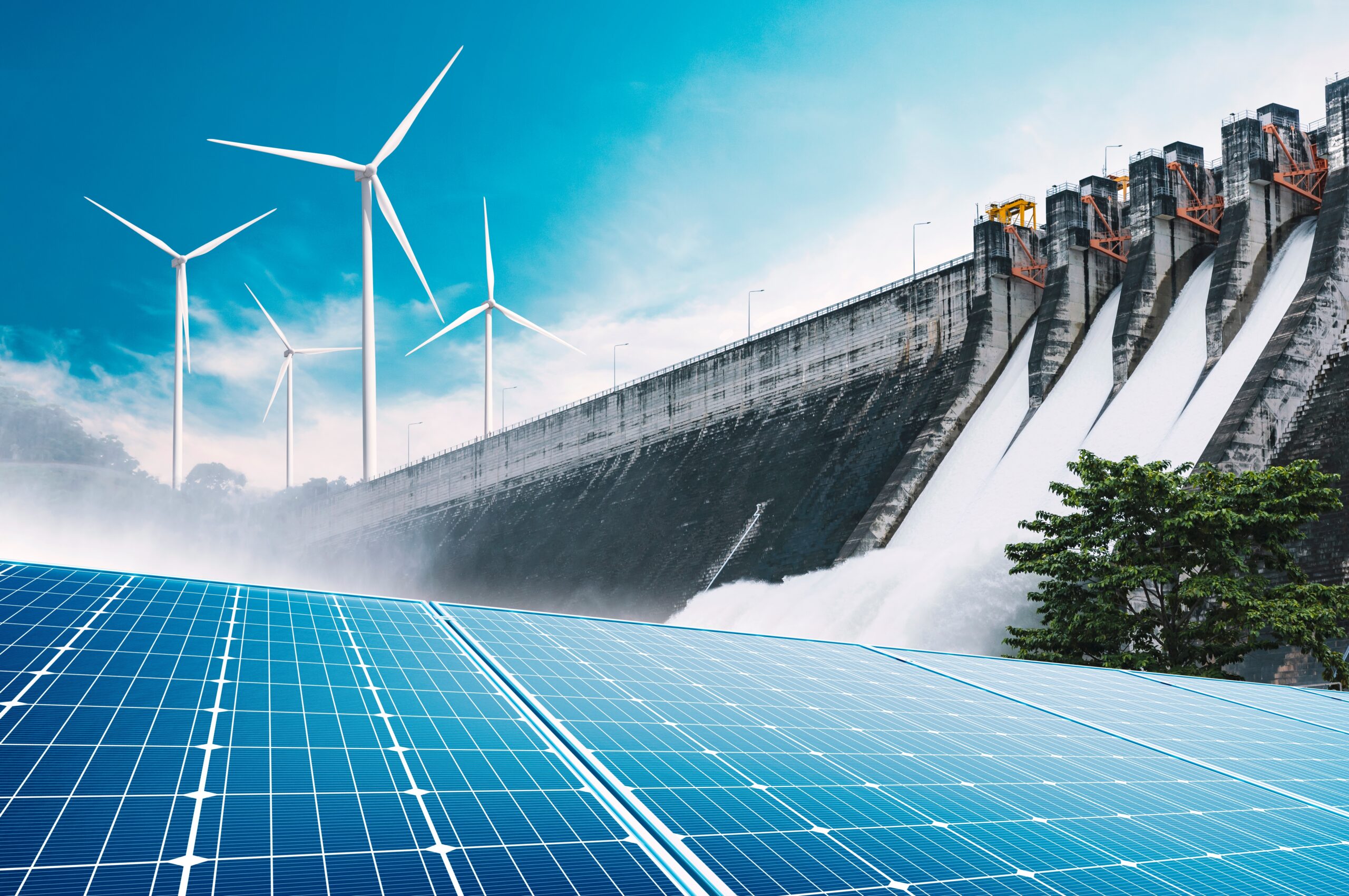
Hybrid Renewable Energy Systems (HRES) integrate stochastic sources like solar and wind to provide reliable electricity to provide reliable and sustainable electricity [1]. The primary interest in such systems is