WBG-based Current Source Inverter: Design, Analysis, and PWM/Controls

Date: 14/04/2026
Time: 10:00 am
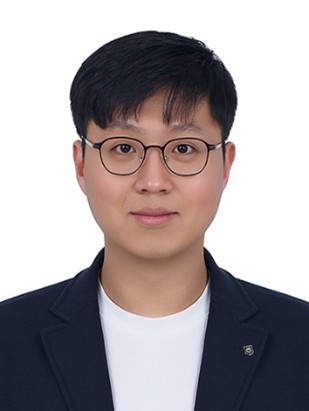
Presenter: Sangwhee Lee
Abstract: High-performance power electronics enabled by wide-bandgap (WBG) devices play a central role in accelerating electrification and enabling carbon-free technologies across a wide range of industrial sectors, from transportation to renewable energy systems. While WBG devices enable unprecedented switching speeds and power density, directly replacing legacy silicon devices introduces significant system-level challenges, including electromagnetic interference (EMI), leakage current, and insulation stress. This presentation identifies key system-level challenges associated with WBG devices, with a particular focus on silicon carbide (SiC) technologies. To address these challenges, it proposes both hardware and control-oriented solutions by leveraging current source inverter (CSI) architectures as a compelling alternative to conventional approaches. The design, analysis, and control of WBG-based CSI systems are discussed in the context of integrated motor drive applications, along with practical implementation insights. The presentation aims to provide a pathway toward high-power-density, high dv/dt-resilient power conversion systems.
Sangwhee Lee received his B.S. degree in Electrical and Computer Engineering from Korea University (KU), Seoul, Republic of Korea, in 2018, and his M.S. and Ph.D. degrees from the University of Wisconsin–Madison, Madison, WI, USA, in 2020 and 2024, respectively. He is currently a tenure-track Assistant Professor with the School of Electrical Engineering at Korea University. From 2024 to 2026, he was with Oak Ridge National Laboratory (ORNL) as an R&D Associate Staff Member, where he conducted research on high-power-density and wide-bandgap (WBG)-based power conversion systems and AI-driven reliability-oriented design methodologies. His research focuses on system-level design, analysis, and control of power electronic converters, with an emphasis on high-power-density applications, electromagnetic interference (EMI), and WBG device integration. His work targets applications in transportation electrification, renewable energy systems, and grid modernization.