Rethinking Data Center Power Infrastructure (Power Rocks!)
Unless you are just returning from your extended vacation on a different planet, you have likely heard a thing or two about the exponential projections for penetration of AI applications


Unless you are just returning from your extended vacation on a different planet, you have likely heard a thing or two about the exponential projections for penetration of AI applications
Previous columns have evaluated fast-moving trends and technologies around the energy transition, reaching a conclusion in the last column that the incredible push to rapidly build many hundreds of new
In the last three years since ChatGPT launched, interest in AI (Artificial Intelligence) and especially in LLMs (Large Language Models) has exploded—driving, if not innovation, plenty of buzz and the
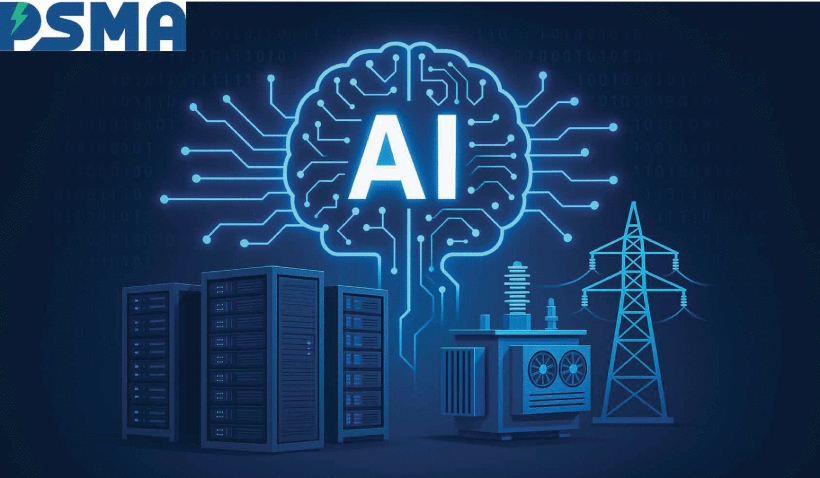
Artificial intelligence (AI) is not just a future trend; it is a current disruptor transforming how power is generated, delivered, and used. In power electronics, AI’s impact accelerates innovation while
GaN-based power semiconductor devices are ideally suited for high-efficiency power converters due to their superior material properties [1]. GaN HEMTs have been incorporated into numerous commercial power supply designs, catering
The Power Sources Manufacturers Association (PSMA) has released its Phase IV 3D Power Packaging Report, a comprehensive technology study focused on embedded and integrated magnetics (see Figure 1). Building on
Electrification of industry and new loads, such as AI datacenters, is accelerating at an unprecedented pace, resulting in a dramatic and rapid 2× –3× increase in electricity demand. Utilities and
We hear so much about AI these days, we are getting trained (like large language models or LLMs) to believe we cannot perform the most basic functions without it. Luckily,
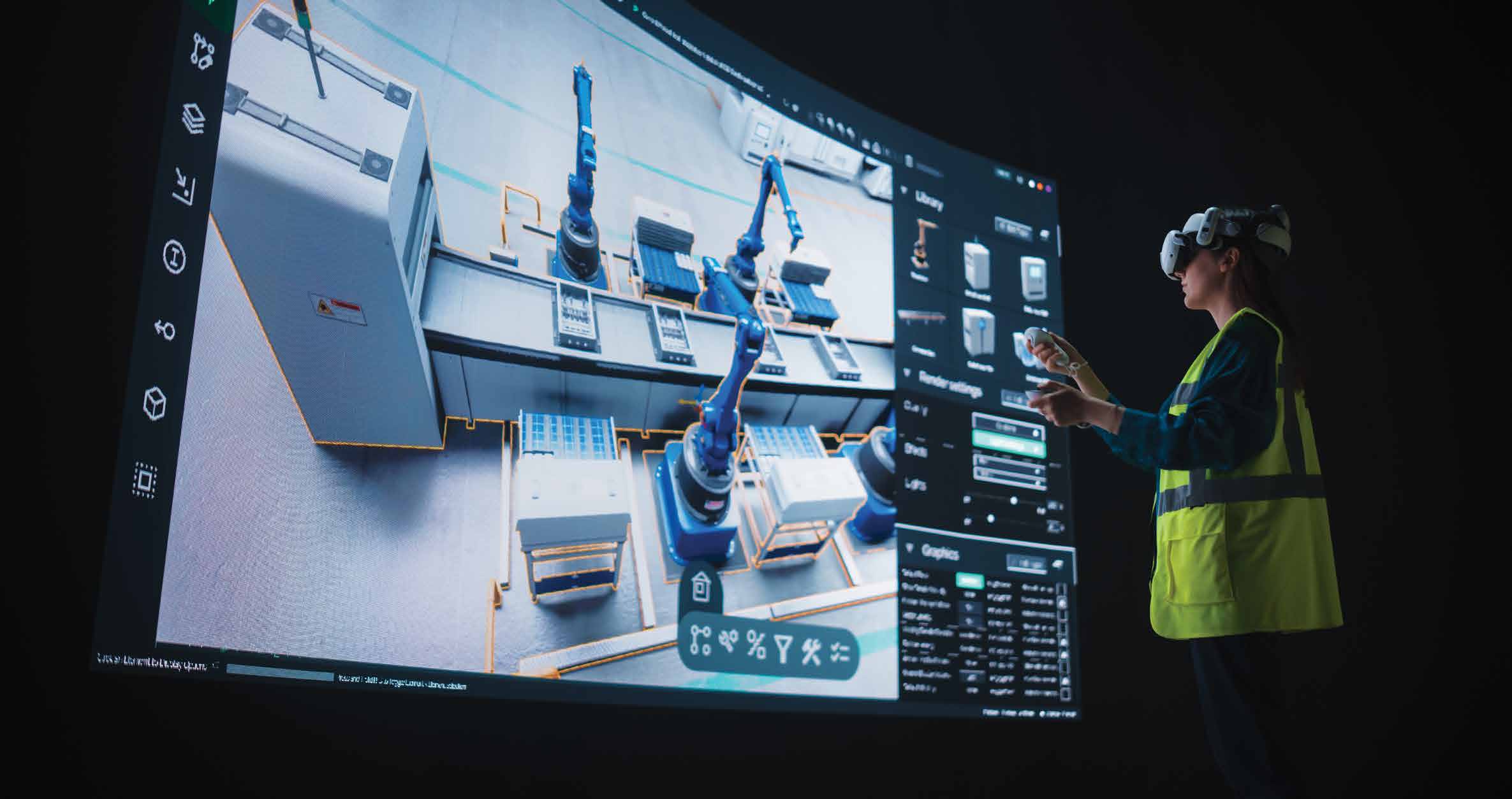
Integrating 5G-enhanced edge computing into energy-intensive industrial systems has significant sustainability, scalability, and resilience benefits. The approach is particularly effective for managing Digital Twin (DT) systems in real-time for a
In the global power system of 2050, we will need around four times the power generation capacity and the ability to transfer up to three times as much electrical energy