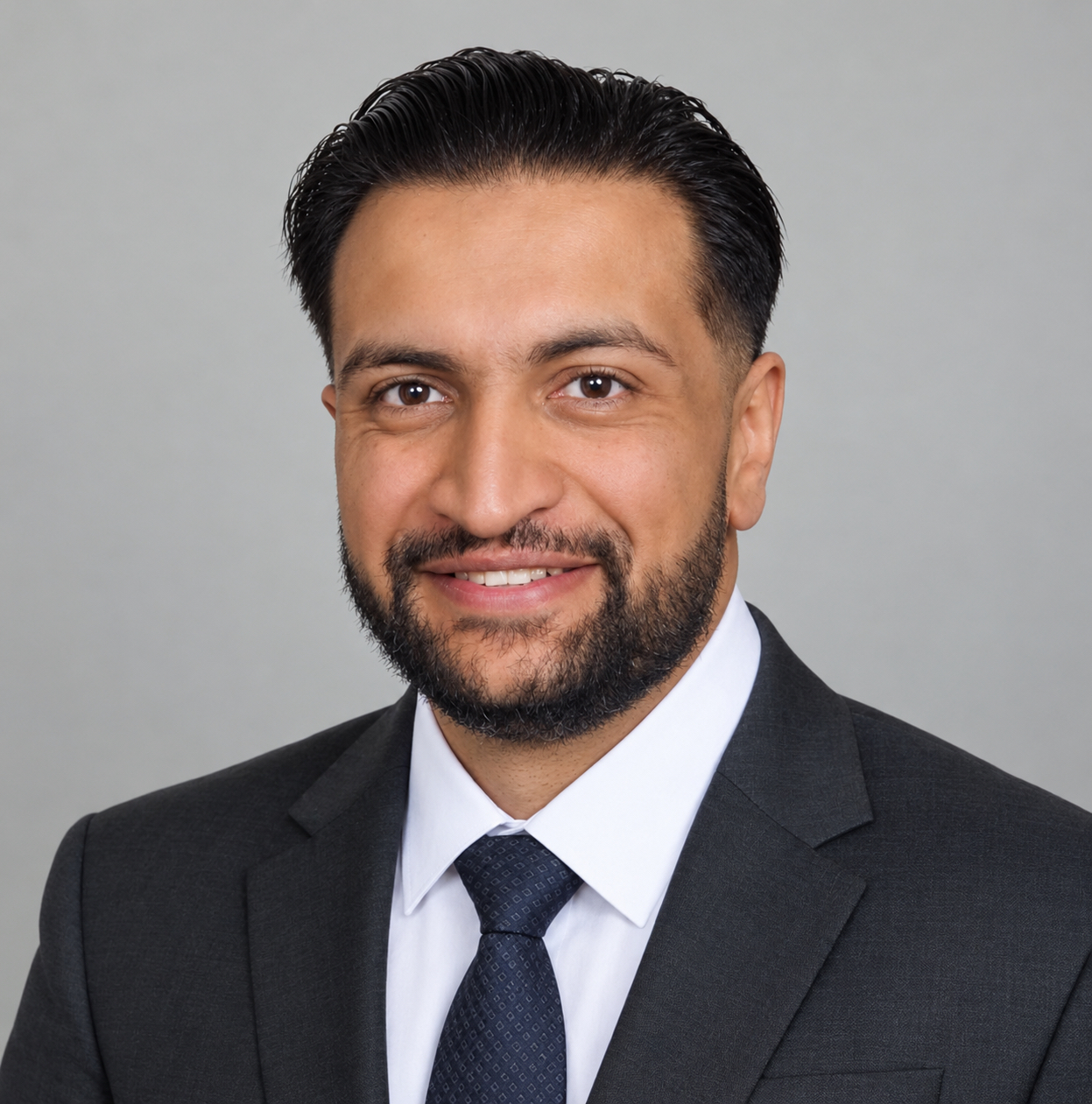
Anshuman Sharma (Member, IEEE) received the Bachelor of Engineering degree (Hons.) in Electrical Engineering and the Master of Applied Science degree in Electrical and Computer Engineering from the Ontario Tech University, Oshawa, ON, Canada, in 2020 and 2022, respectively. He currently works as an Electrical Hardware Engineer with Astemo Americas Inc., Farmington Hills, MI, USA. He was previously a Research Associate at the Power Electronics and Drives Applications Laboratory (PEDAL) at the Ontario Tech University where his primary research work was in power electronics applications for transportation electrification and autonomous electric mobility. He worked as a R&D Engineering intern at ABB E-mobility Corporate Research Center in Baden-Dättwil, Switzerland in 2022. His research interests include development of efficient power converters for electric vehicles, battery management systems, electromagnetic compatibility (EMC) for automotive systems and power electronic applications utilizing inductive power transfer technology geared towards vehicular applications. He is also the recipient of the prestigious IEEE Life Members Graduate Study Fellowship in Electrical Engineering awarded by the IEEE Educational Activities Board (EAB) for the year 2020. During his undergraduate studies he held two research assistantships, an Undergraduate Student Research Assistantship (USRA) through the NSERC and a Research Internship in Science and Engineering (RISE) through the German Academic Exchange Service (DAAD) and MITACS.